

Healthy skin isn’t just about what you put on the surface. It’s also shaped by what’s happening inside your body. Probiotics, the beneficial bacteria best known for supporting digestive health, are now being studied for their role in skin balance. From calming irritation to helping reduce breakouts, probiotics may influence skin through both oral supplements and topical products.
Understanding the difference between these two approaches can help you make informed choices about how to support your skin, naturally and effectively.
Why Probiotics Matter for Skin Health
Your skin, like your gut, is home to a diverse community of bacteria, fungi, and other microbes. This microbiome helps maintain balance, protect against harmful organisms, and regulate inflammation. When it’s healthy, your skin is better able to defend itself against irritation, dryness, and breakouts.
Research suggests that disruptions in the skin or gut microbiome may contribute to:
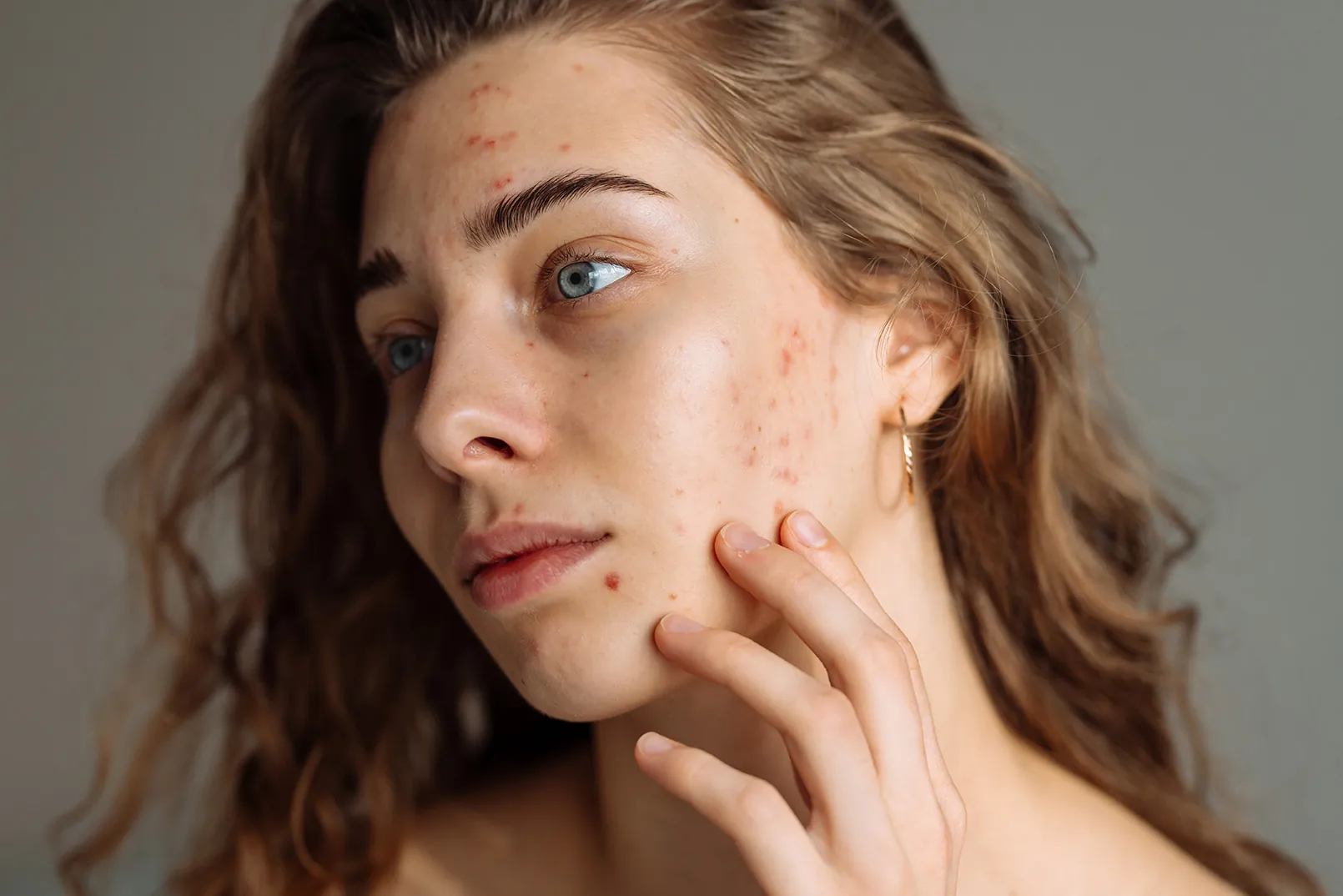
- Acne: shifts in bacteria can drive inflammation and clogged pores
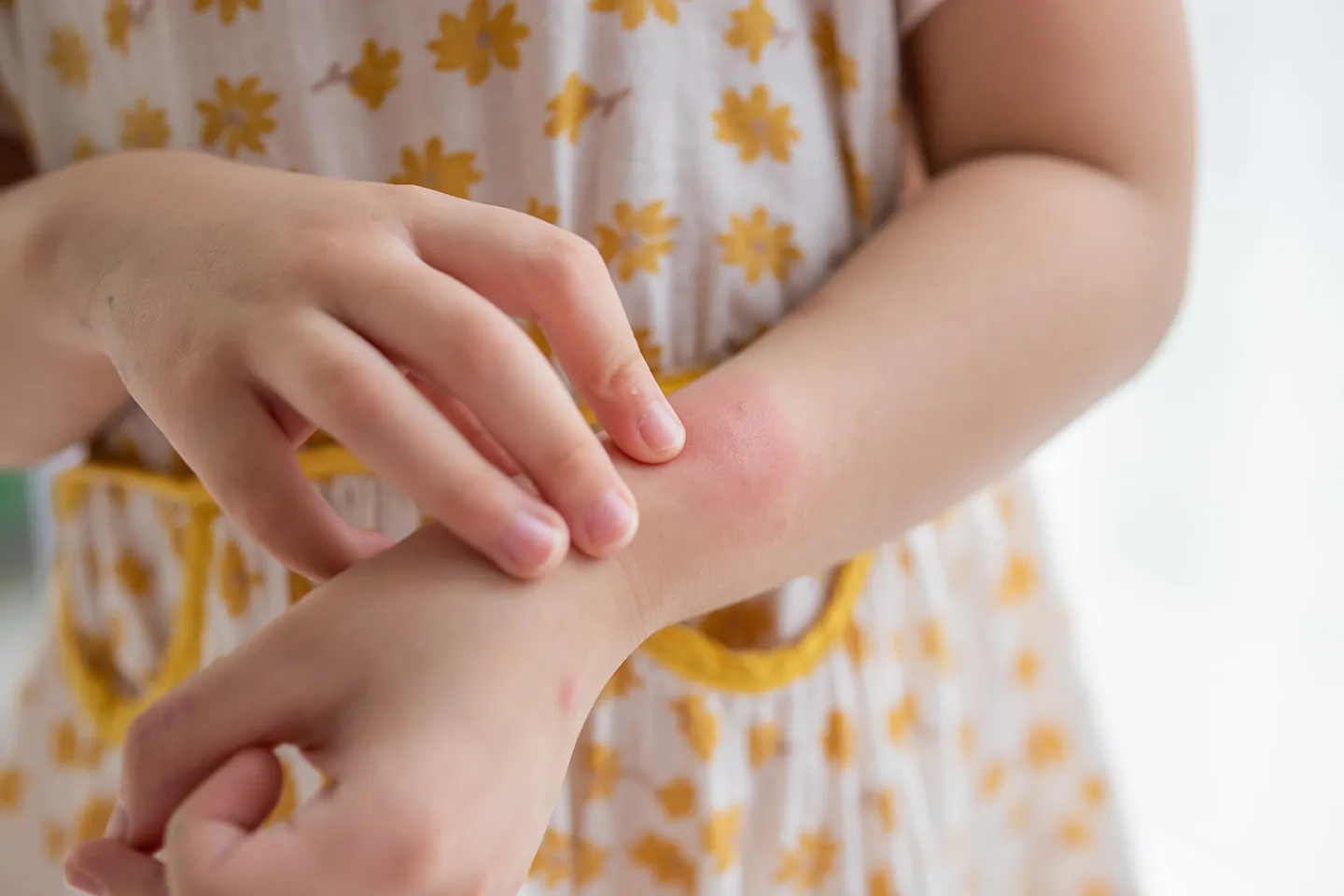
- Eczema: reduced microbial diversity is linked to flare-ups
- Rosacea: imbalances may trigger redness and sensitivity
That’s why dermatologists are paying closer attention to probiotics, both oral and topical, as part of comprehensive care for these common conditions.
Oral Probiotics: Supporting Skin from the Inside Out
Oral probiotics influence what’s known as the gut-skin axis. By improving balance in the digestive tract, they may reduce systemic inflammation, which in turn can benefit the skin. These benefits may include:
- Calmer, less inflamed skin
- Reduced acne severity in some patients
- Fewer eczema flares and less itching
While early research is promising, oral probiotics are not a cure-all. Different strains may have different effects, and results vary from person to person. More large-scale studies are needed to confirm which types are most effective for skin concerns.
Topical Probiotics: Balancing the Skin Microbiome Directly
Topical probiotics are applied to the skin through creams, serums, or masks. They aim to strengthen the barrier by introducing beneficial bacteria or by supporting the growth of healthy microbes already present. Potential benefits include:
- Calms irritation and redness
- Strengthens the skin’s natural barrier
- May help reduce breakouts by balancing bacteria
Topical probiotics are still a newer area of research. Some clinical studies suggest benefits, and more probiotic-infused products are appearing on the market. For now, dermatologists see them as a complementary option rather than a replacement for established treatments.
Oral vs. Topical Probiotics: Which Is Better?
Both oral and topical probiotics have potential, but they work differently. This table provides an overview of those core differences:
| Approach | How It Works | Benefits | Limitations | Best Use Cases |
| Oral | Balances gut microbiome, reduces inflammation | May reduce acne, calm eczema, improve overall skin resilience | Results vary, research is still emerging | Patients with systemic inflammation, multiple skin concerns |
| Topical | Supports skin barrier and microbiome directly | Calms irritation, strengthens barrier, balances bacteria | Evidence still limited, products vary widely | Patients with sensitive skin, localized redness, barrier issues |
In some cases, combining both may offer the most support. A dermatologist can guide whether oral, topical, or both approaches make sense for your skin concerns.
What Dermatologists Want You to Know
Probiotics are getting plenty of attention in the skincare world, but it can be hard to separate hype from evidence. Dermatologists take a careful, science-based view—and their perspective helps set realistic expectations about what probiotics can and cannot do for your skin.
- Evidence is promising but evolving. Probiotics are an exciting area of dermatology, but they’re not yet standardized like other treatments.
- Choose carefully. Look for clinically tested products or supplements backed by credible science, not just marketing claims.
- Probiotics are part of the plan, not the whole plan. They can complement treatment, but they don’t replace prescription medications, proven therapies, or professional care.
Lifestyle Factors That Influence Your Skin Microbiome
Probiotics are just one piece of the puzzle. Healthy lifestyle habits also play a major role in supporting your skin’s balance:
- Diet: A nutrient-rich, balanced diet helps both the gut and skin thrive by providing the building blocks for repair and renewal. Limiting processed foods and focusing on whole, colorful options can reduce inflammation that contributes to breakouts and irritation.
- Stress management: High stress can disrupt the microbiome and trigger flare-ups of acne, eczema, or rosacea. Finding healthy outlets—like exercise, mindfulness, or hobbies—helps calm both body and skin.
- Sleep quality: Rest supports immune function and gives the skin time to heal and regenerate. Consistently getting 7–9 hours can make a visible difference in clarity and resilience.
- Hygiene habits: Gentle cleansing protects the skin’s barrier without stripping it of healthy oils or microbes. Daily sunscreen adds another layer of defense, preventing UV damage that can destabilize the skin microbiome.
When to See a Dermatologist for Skin Concerns
Probiotics can play a role in skin health, but they’re not a substitute for professional care. It’s time to see a dermatologist if you notice:
- Persistent acne that doesn’t improve with over-the-counter care
- Ongoing eczema flare-ups that disrupt sleep or daily comfort
- Rosacea symptoms, like redness or bumps, that continue despite lifestyle changes
- Uncertainty about supplements or products, and a need for evidence-based guidance
At Clarus Dermatology, we take the guesswork out of skincare. Our team stays current with research on probiotics and the skin microbiome, while always grounding recommendations in proven, safe treatments. If probiotics may be helpful for your skin, we’ll guide you on the right options, explain what to expect, and create a personalized plan that fits your needs.
Learn more about our general dermatology services or contact our team at Clarus Dermatology to schedule a consultation.