
Children’s skin is delicate, unique, and often misunderstood. When rashes, bumps, or discolorations appear, it’s natural for parents to worry. Unfortunately, myths and misconceptions about pediatric skin conditions can cause unnecessary stress or worse, delay proper treatment. Let’s separate fact from fiction and highlight the truth behind some of the most common myths in pediatric dermatology.
Myth 1: “Eczema is just dry skin.”
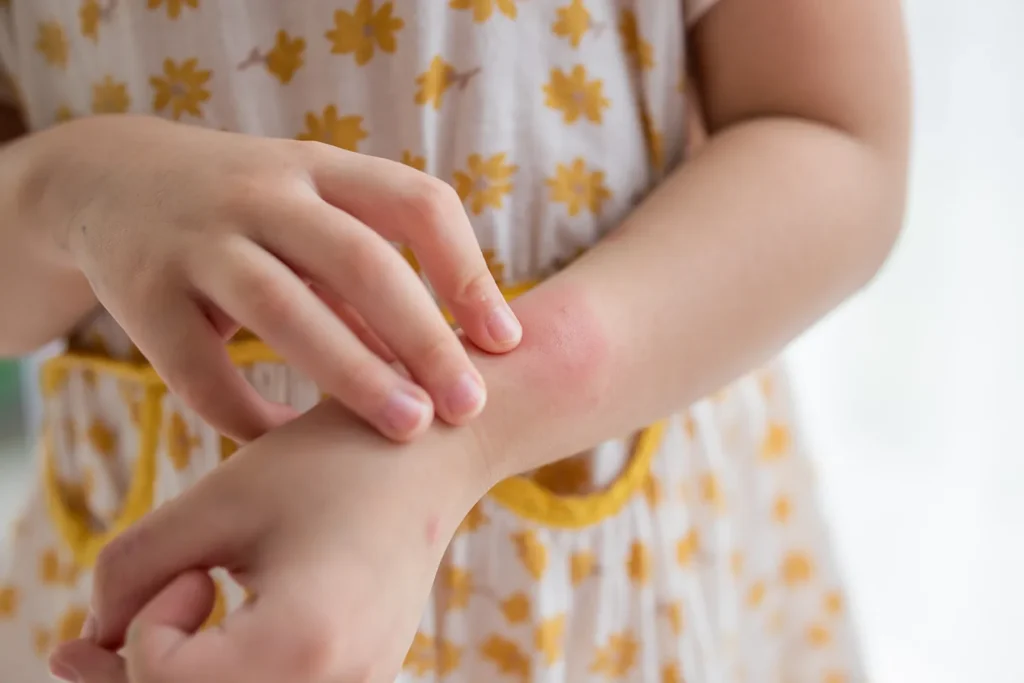
The truth: Eczema (atopic dermatitis) is much more than dryness. It’s a chronic inflammatory condition caused by an overactive immune response and a weakened skin barrier. While moisturizers are essential, many children also need prescription treatments to control itching, redness, and flare-ups. Left untreated, eczema can lead to infections and poor sleep quality.
Myth 2: “Kids will outgrow acne, so it doesn’t need treatment.”
The truth: Acne is not just a teenage problem. Even young children can develop it, especially during preadolescence. While some cases resolve, untreated acne can cause permanent scarring and emotional distress. Early intervention with gentle cleansers, topical medications, or dermatologist-recommended therapies can make a big difference.
Myth 3: “Warts mean poor hygiene.”
The truth: Warts are caused by the human papillomavirus (HPV), not by being “dirty.” Children can pick up the virus anywhere. Such as locker rooms, playgrounds, or even at home. Good hygiene is always important, but warts are more about viral exposure and immune response than cleanliness.
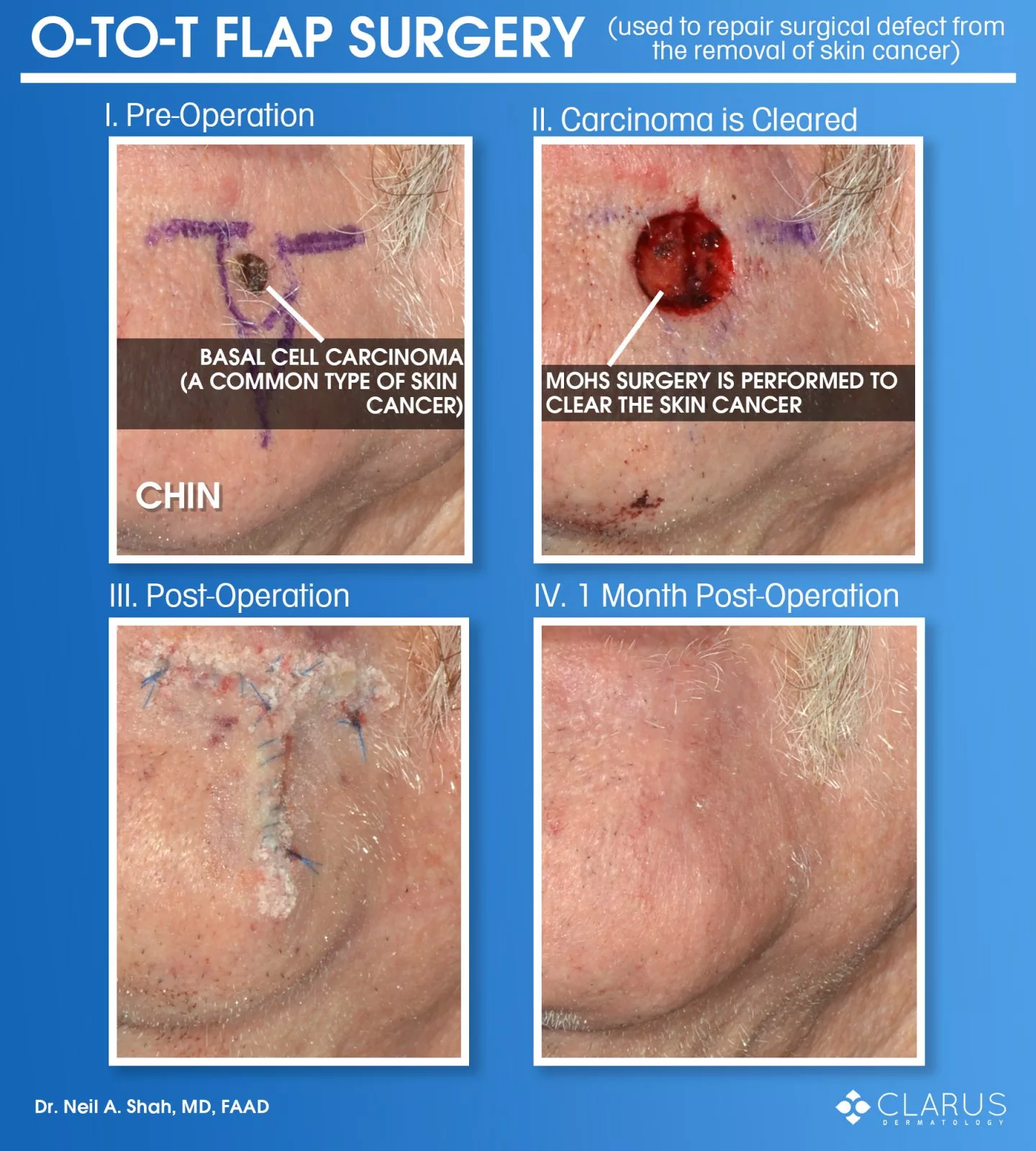
Myth 4: “Moles on kids are harmless and never need checking.”
The truth: While most moles in children are benign, it’s a misconception that they never require evaluation. Pediatric dermatologists recommend monitoring moles for changes in size, shape, or color. Rarely, melanoma can occur in children, so vigilance and annual skin checks are important, especially for kids with many moles or a family history of skin cancer.
Myth 5: “Ringworm comes from worms.”
The truth: Despite its name, ringworm has nothing to do with worms. It’s a fungal infection (tinea) that appears as a circular, itchy rash. Over-the-counter antifungal creams may help mild cases, but more persistent infections often require prescription treatment. Misdiagnosing ringworm as eczema (or vice versa) is common, so professional evaluation is key.
Myth 6: “Diaper rash means you’re not changing diapers enough.”
The truth: Diaper rash can develop even with frequent changes. Causes include yeast overgrowth, skin sensitivity, new foods, or illness. Barrier creams with zinc oxide, gentle cleansers, and occasional antifungal or steroid creams (when prescribed) can help. It’s not always about parental diligence. It’s about a baby’s sensitive skin.
Myth 7: “Sunscreen isn’t necessary for kids with darker skin.”
The truth: While melanin provides some natural protection, children of all skin tones can suffer sunburns, premature aging, and skin cancer. Sunscreen, protective clothing, and shade are essential for every child, regardless of complexion.
Conclusion
Children’s skin conditions can be confusing, but believing in myths only complicates care. From eczema and acne to rashes and moles, pediatric dermatology is about understanding the unique needs of growing skin. If you’re ever unsure, consult a dermatologist rather than relying on outdated or misleading advice. Clear knowledge leads to clearer, healthier skin for your child.