
Menopause is a natural phase in a woman’s life, marked by the end of menstrual cycles and a significant shift in hormone levels. Particularly estrogen and progesterone. Beyond hot flashes and mood changes, these hormonal changes profoundly affect the skin and hair, often leading women to seek dermatological care. Understanding these changes and available treatment options can empower women to take control of their skin health during this transition.
How Hormonal Shifts Affect the Skin
1. Dryness and Loss of Elasticity
Estrogen plays a key role in maintaining skin hydration and collagen production. With declining estrogen levels, the skin often becomes thinner, drier, and less elastic. Fine lines and wrinkles become more noticeable, and the skin may feel tight or itchy.
2. Increased Sensitivity
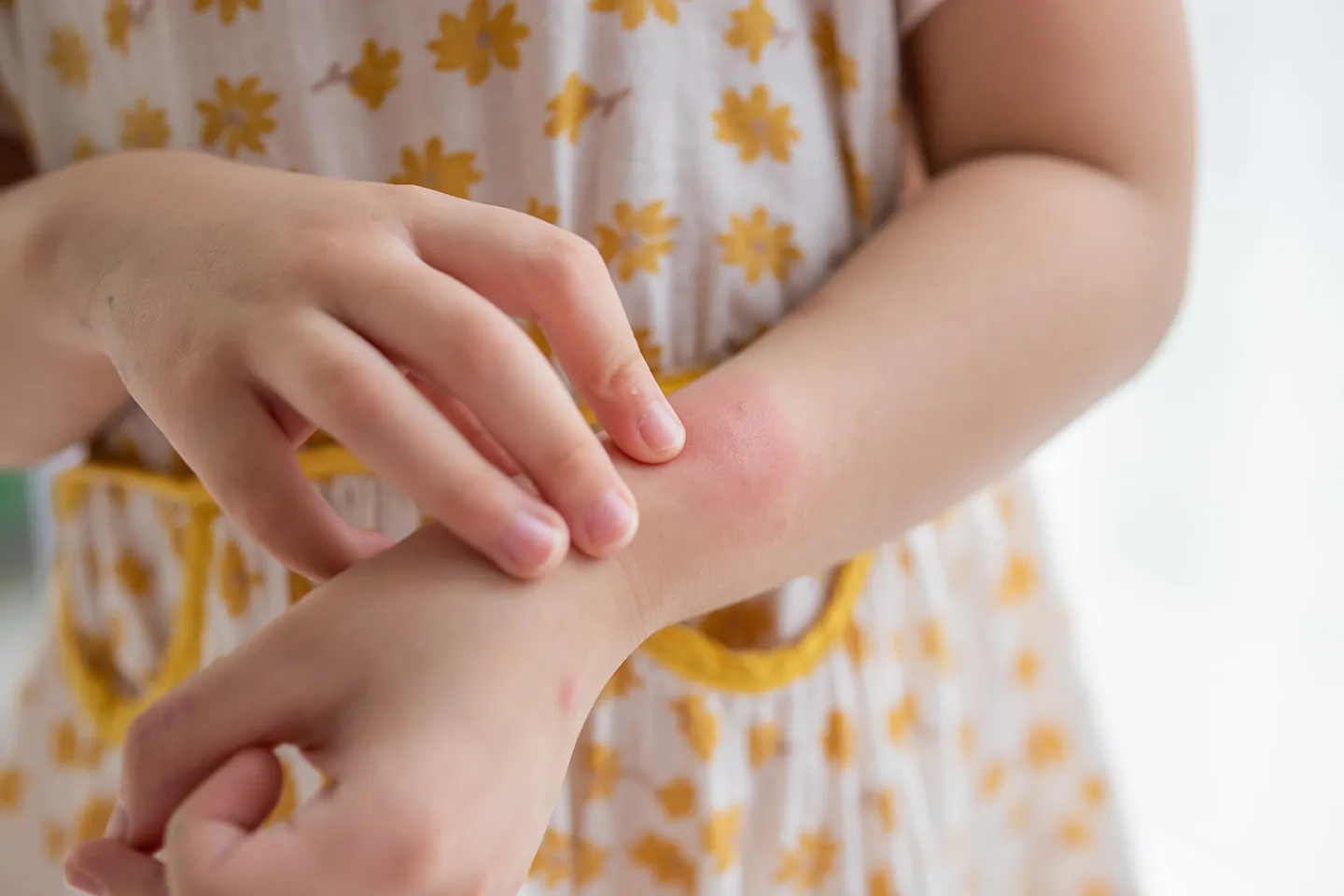
Hormonal fluctuations can disrupt the skin barrier, making it more reactive to environmental irritants and skincare products. Many women experience new sensitivities or conditions like eczema and rosacea during menopause.
3. Pigmentation Changes
Melasma, age spots, and uneven skin tone often become more prominent due to a lifetime of sun exposure combined with hormonal shifts.
Hair Changes During Menopause
1. Thinning Hair
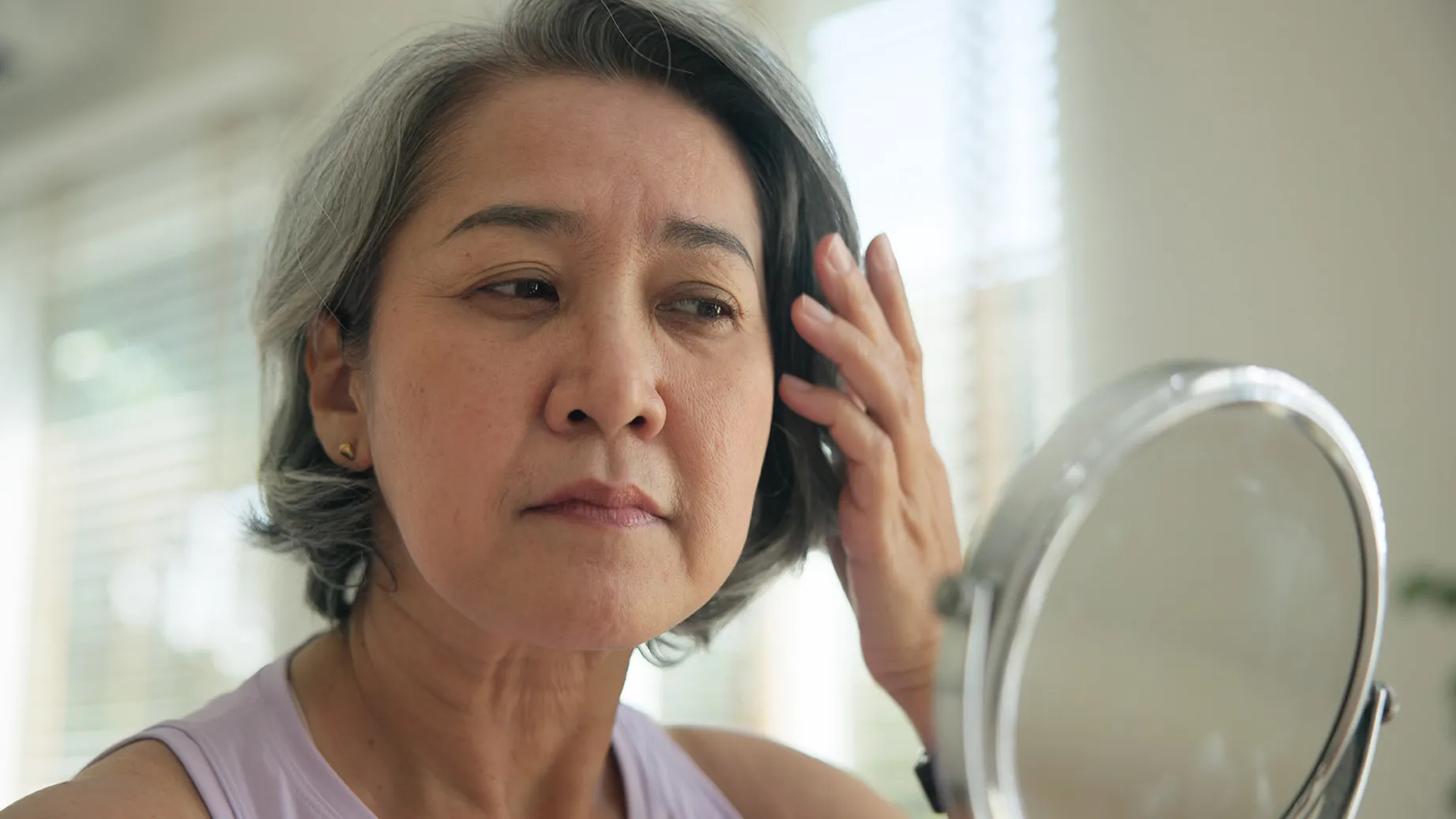
The decline in estrogen and progesterone, combined with the relative dominance of androgens, can trigger hair thinning or androgenic alopecia. Many women notice a wider hair part, reduced volume, or shedding.
2. Facial Hair Growth
Paradoxically, some women may develop increased facial hair growth, especially on the chin or upper lip. This is due to hormonal imbalances favoring androgens.
Dermatological Treatment Options
1. Skin Treatments
- Moisturizers and barrier repair creams: Formulations with ceramides, hyaluronic acid, and glycerin help restore hydration.
- Retinoids: Prescription retinoids or retinol serums stimulate collagen, improving texture and fine lines.
- Laser and light therapies: These treatments address pigmentation issues, broken blood vessels, and stimulate collagen production.
- Hormone replacement therapy (HRT): In some cases, systemic or topical estrogen therapies may improve skin thickness and elasticity.
2. Hair Treatments
- Minoxidil: A proven topical treatment that encourages hair regrowth and slows thinning.
- Low-level laser therapy: Helps stimulate follicles and improve density.
- Anti-androgen medications: Drugs such as spironolactone may reduce androgen-related hair loss.
- Professional treatments: Platelet-rich plasma (PRP) injections and microneedling are emerging options to stimulate follicle activity.
3. Lifestyle Support
- Nutrition: Diets rich in antioxidants, omega-3 fatty acids, and proteins support skin and hair health.
- Sun protection: Daily use of sunscreen is essential for preventing pigmentation and premature aging.
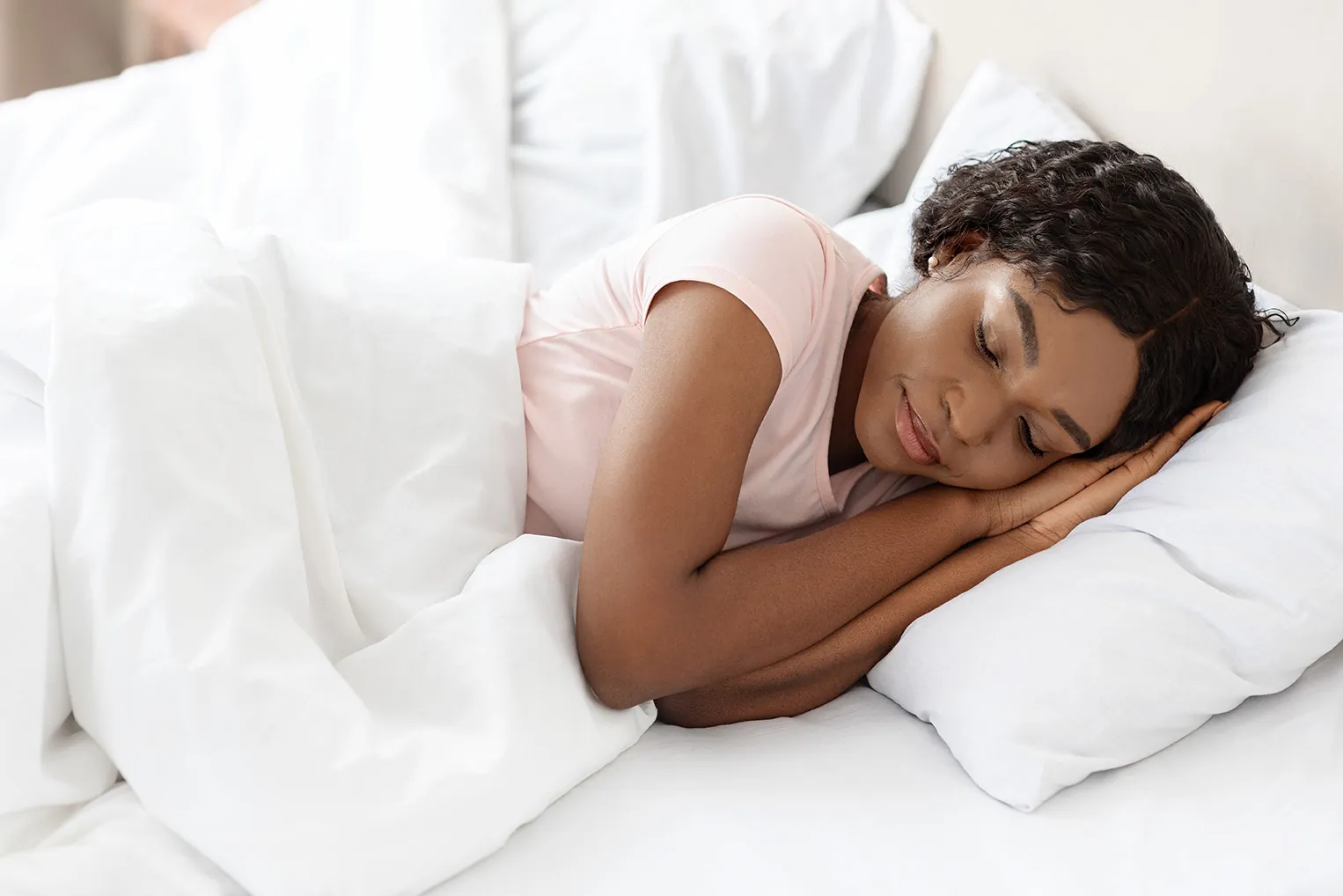
- Stress management: Yoga, meditation, and proper sleep can reduce cortisol levels, which otherwise exacerbate skin and hair concerns.
Conclusion
Menopause is a time of transformation, and while its hormonal changes can pose challenges for the skin and hair, dermatology offers effective solutions. With the right combination of medical treatments, lifestyle choices, and personalized skincare, women can navigate this stage with confidence and maintain healthy, vibrant skin and hair. Consulting a dermatologist experienced in menopausal changes can make a significant difference in tailoring treatments to individual needs.